
LinkedIn has quietly become the most powerful platform in B2B marketing — and the data backs it up. According to LinkedIn Marketing Solutions, the platform reaches over one billion professionals worldwide, and four out of five LinkedIn members drive business decisions at their organizations. No other social network puts you directly in front of decision-makers, executives, and potential partners with this level of targeting precision and professional intent. Whether your goal is lead generation, brand authority, or recruiting top talent, a well-executed LinkedIn marketing strategy is one of the highest-return investments you can make in your business's growth.
Why LinkedIn Is the #1 B2B Marketing Platform
While Instagram wins on visual appeal and Twitter/X dominates real-time conversation, LinkedIn owns the professional mindset. When someone opens LinkedIn, they are not looking for entertainment — they are thinking about their career, their business, and the problems they need to solve. That intent-driven environment makes every piece of content and every connection fundamentally more valuable for B2B marketers.
The numbers are compelling. According to research cited by Sprout Social Insights, LinkedIn generates 80% of B2B social media leads, outperforming Facebook and Twitter combined. It is also the platform where content about business, leadership, and professional development sees the highest organic engagement rates across any demographic.
For businesses building a comprehensive social media strategy, LinkedIn should sit at the center of the B2B channel mix. Key reasons to prioritize it:
- Access to decision-makers: 65 million LinkedIn members are in senior decision-making roles
- High-intent audience: users are in a professional, problem-solving mindset when they log on
- Sophisticated ad targeting by job title, company size, industry, and seniority level
- Long content shelf life: LinkedIn posts continue to receive impressions for days, not hours
- Built-in trust: the professional context makes cold outreach significantly less intrusive than on other platforms
Optimizing Your LinkedIn Company Page
Your LinkedIn Company Page is often the first impression a potential client, partner, or hire will have of your business. A half-finished or outdated page signals neglect — the opposite of the credibility you want to project. Optimizing it fully takes a few hours and pays dividends for years.
Start with the fundamentals. Upload a high-resolution logo (300 x 300 pixels) and a branded cover image (1128 x 191 pixels) that visually communicates what you do. Write an "About" section that leads with the value you deliver to clients — not a generic company history. Use relevant keywords naturally throughout the description so your page appears in LinkedIn and Google search results.
Beyond the basics, prioritize these Company Page elements:
- Custom button: Set your call-to-action button to "Contact Us," "Learn More," or "Visit Website" with a tracked URL pointing to a relevant landing page
- Showcase Pages: Create sub-pages for specific products, services, or audience segments to deliver more targeted content to different follower groups
- Featured section: Pin your best-performing posts, articles, or a lead magnet to the top of your page where visitors will see it immediately
- Products tab: List your core offerings with descriptions, images, and direct links — this turns your page into a passive lead generation asset
- Consistent posting: Pages that post at least weekly see significantly higher follower growth and engagement rates than those that post sporadically
Personal Branding on LinkedIn: Why It Matters
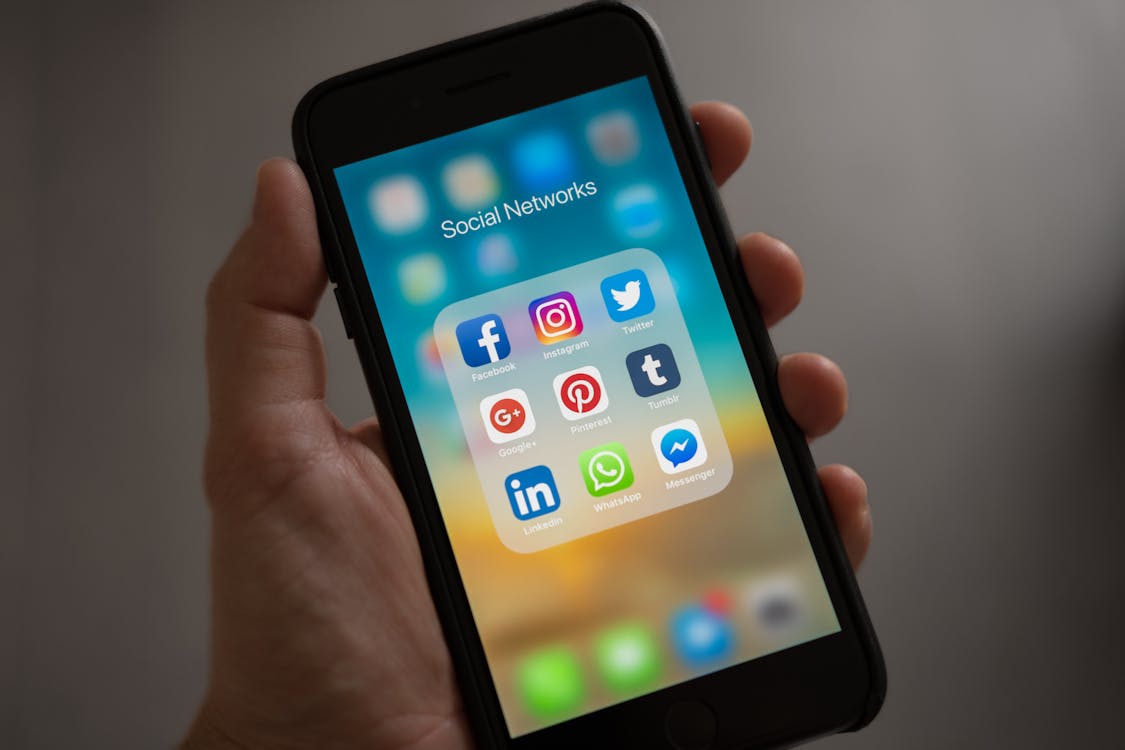
Here is a truth most companies have not internalized yet: people connect with people, not logos. The most effective LinkedIn marketing strategies do not just rely on the company page — they activate the personal profiles of founders, executives, and subject-matter experts. A single post from a well-followed employee will typically reach far more people than the same post from a company page.
Personal branding on LinkedIn begins with profile optimization. A professional headshot, a compelling headline that goes beyond your job title, and a "About" section written in first-person that tells your professional story are the starting points. According to LinkedIn Learning, profiles with a professional photo receive 21 times more profile views and 9 times more connection requests than those without one.
To build a personal brand that generates business results, focus on these practices:
- Post consistently under your own name on topics where you have genuine expertise and informed opinions
- Comment thoughtfully on posts from industry leaders — this exposes your name to their audiences without requiring them to find your content first
- Share company content with your own perspective added — do not just repost; add a sentence or two explaining why it matters to your network
- Send personalized connection requests with a brief note explaining why you want to connect
- Use the "Creator Mode" feature to unlock access to LinkedIn Newsletters, LinkedIn Live, and enhanced profile analytics
LinkedIn Content That Gets Engagement
LinkedIn's feed algorithm is fundamentally different from other social platforms. It does not simply reward posts with the most likes — it prioritizes content that generates genuine engagement, particularly comments and shares. This changes how you should approach content creation.
The content formats that consistently perform best on LinkedIn include:
- Text-only posts with a strong hook: A bold opening line that stops the scroll drives early engagement, which the algorithm interprets as a signal to distribute the post more widely
- Document carousels (PDF slides): Multi-slide carousel posts see significantly higher engagement because users must swipe through, increasing time-on-post
- Native video: Video uploaded directly to LinkedIn (not shared from YouTube) receives priority distribution in the feed — keep videos under three minutes for optimal completion rates
- Personal stories with business lessons: Posts that share a real experience — a failure, a pivot, a counterintuitive insight — routinely outperform purely informational content because they invite people to respond with their own experiences
- Data-driven observations: Sharing a surprising statistic with your own commentary gives people something concrete to agree or disagree with, which drives comment activity
Timing matters too. Research from Hootsuite's LinkedIn Guide consistently shows that Tuesday through Thursday between 8 AM and 10 AM in the target audience's time zone tends to produce the strongest initial engagement — the momentum that triggers broader algorithm distribution.
LinkedIn Newsletter and Articles Strategy
LinkedIn Newsletters are one of the most underutilized features on the platform. Unlike standard posts that appear briefly in the feed, Newsletters notify all subscribers by email and in-app each time a new edition is published. For B2B marketers, this creates a owned audience channel that sits entirely inside LinkedIn — subscribers effectively become a warm email list that opted in through the platform.
To build an effective LinkedIn Newsletter:
- Choose a narrow, specific topic. Newsletters with a tight focus ("SaaS Go-to-Market Strategies" performs better than "Business Tips") attract higher-quality subscribers who are more likely to engage and convert
- Publish on a consistent schedule. Weekly or bi-weekly cadences outperform monthly ones. Subscribers who hear from you regularly develop a reading habit; those who hear from you sporadically forget they subscribed
- Write for depth, not breadth. Each edition should explore one idea thoroughly rather than covering five topics superficially. Depth signals expertise; breadth signals content padding
- Include one clear call to action. Each newsletter edition should end with a single next step — read an article, download a resource, book a call — rather than overwhelming readers with multiple competing options
- Cross-promote your newsletter in your posts. Mention it regularly in your standard feed content with a direct link to subscribe
LinkedIn Articles — longer-form posts that live permanently on your profile — serve a different but complementary purpose. They are indexed by Google, which means a well-optimized LinkedIn Article can rank in search results and drive traffic to your profile from outside the platform. This bridges your LinkedIn presence with your broader digital marketing strategy in a meaningful way.
LinkedIn Lead Generation Tactics
LinkedIn's professional environment makes it uniquely suited to direct, permission-based lead generation — if you approach it with the right methodology. The platform's native tools, combined with smart outreach practices, can produce a consistent pipeline of qualified B2B prospects.
The most effective LinkedIn lead generation tactics include:
- LinkedIn Lead Gen Forms: These native forms pre-populate with a user's LinkedIn profile data, dramatically reducing friction. Pair them with a valuable offer — a guide, checklist, or webinar registration — and conversion rates can reach 10 to 15%, compared to 2 to 3% on standard landing pages
- Sales Navigator for prospecting: LinkedIn's premium tool allows hyper-specific filtering by job title, company size, seniority, geography, industry, and recent activity. The result is a prospect list that would be nearly impossible to build with any other tool
- Connection request sequences: A well-crafted personalized connection request followed by a value-first message (sharing a relevant resource, not a pitch) is significantly more effective than cold email for reaching senior decision-makers
- Commenting to build visibility: Posting thoughtful, expert comments on posts from your target accounts puts your name in front of their networks organically — a zero-cost awareness tactic that compounds over time
- Events and LinkedIn Live: Hosting a free LinkedIn Live Q&A or virtual event positions you as a trusted expert and generates a list of engaged attendees who are already interested in your subject area
As HubSpot's marketing blog notes, the key distinction between LinkedIn lead generation that converts and LinkedIn lead generation that annoys is whether you lead with value. Every touchpoint should give the prospect something useful before asking for anything in return.
LinkedIn Ads: Types and Best Practices
LinkedIn's paid advertising platform is the most precise B2B ad targeting tool available at scale. The ability to target by job title, company name, industry, seniority level, and even specific skills means your ads reach exactly the people who have the authority and need to buy from you — not a broad demographic approximation.
LinkedIn offers several core ad formats, each suited to different campaign objectives:
- Sponsored Content: Native ads that appear in the LinkedIn feed alongside organic posts. Works well for promoting gated content, webinar registrations, and thought leadership articles
- Sponsored InMail (Message Ads): Ads delivered directly to a member's LinkedIn inbox. When personalized and value-driven, these see open rates of 30 to 50%, significantly higher than cold email
- Lead Gen Form Ads: Sponsored Content combined with native lead capture forms. Ideal for top-of-funnel content offers where you want to minimize landing page drop-off
- Dynamic Ads: Personalized ads that automatically pull the viewer's name and profile photo into the creative, creating a more attention-grabbing format for follower growth and profile visits
- Text Ads: Simple sidebar ads with a headline, short description, and small image. Low cost per click, best used for retargeting warm audiences who are already familiar with your brand
LinkedIn advertising costs more per click than most other social platforms, typically ranging from $5 to $15 per click. However, the quality of traffic frequently justifies the premium. To maximize ROI, use a full-funnel approach: drive cold audiences to educational content first, then retarget engaged viewers with conversion-focused offers. Neil Patel's blog recommends starting with a minimum budget of $3,000 to $5,000 per month to gather enough data for meaningful optimization — below that threshold, the learning phase takes too long to generate actionable insights.
Measuring LinkedIn Marketing ROI
Demonstrating ROI from LinkedIn marketing requires tracking both platform-native metrics and downstream business outcomes. Vanity metrics like follower count and post impressions are useful for gauging reach, but they tell you nothing about revenue impact. A robust LinkedIn measurement framework connects platform activity to pipeline and closed business.
Key metrics to track at each stage of the funnel:
- Awareness metrics: Impressions, reach, follower growth rate, and share of voice within your industry content niche
- Engagement metrics: Engagement rate (comments + likes + shares divided by impressions), click-through rate on shared links, and video completion rate
- Lead generation metrics: Lead Gen Form submissions, cost per lead, and lead quality score (how closely inbound leads match your ideal customer profile)
- Pipeline metrics: Number of LinkedIn-sourced opportunities entering your CRM, average deal size from LinkedIn leads, and pipeline velocity
- Revenue metrics: Closed-won revenue attributable to LinkedIn, customer acquisition cost from LinkedIn vs. other channels, and lifetime value of LinkedIn-sourced customers
Use UTM parameters on every link you share — in posts, articles, newsletters, and ad campaigns — so that Google Analytics can accurately attribute website traffic and conversions to LinkedIn. Connect your LinkedIn Campaign Manager to your CRM using native integrations or tools like HubSpot or Salesforce to track leads from first touch through to closed revenue. Buffer's resources on LinkedIn marketing offer practical guidance on setting up attribution frameworks that give you a clear picture of what your LinkedIn investment is actually generating.
The businesses that see the greatest returns from LinkedIn are those that treat it as a long-term investment in relationships, authority, and pipeline — not a short-term traffic hack. Start this week by auditing your Company Page against the optimization checklist above, identifying two or three team members with strong networks who can activate their personal profiles, and planning a 30-day content calendar with at least three posts per week. The compounding effect of consistent, valuable LinkedIn presence builds a B2B marketing asset that will generate leads and opportunities for years to come — and our team at Jupiter Digital Marketing is ready to help you build exactly that kind of strategy.